It’s rarely about talent — and almost always about how the brand translates to retail when getting stocked in stores.
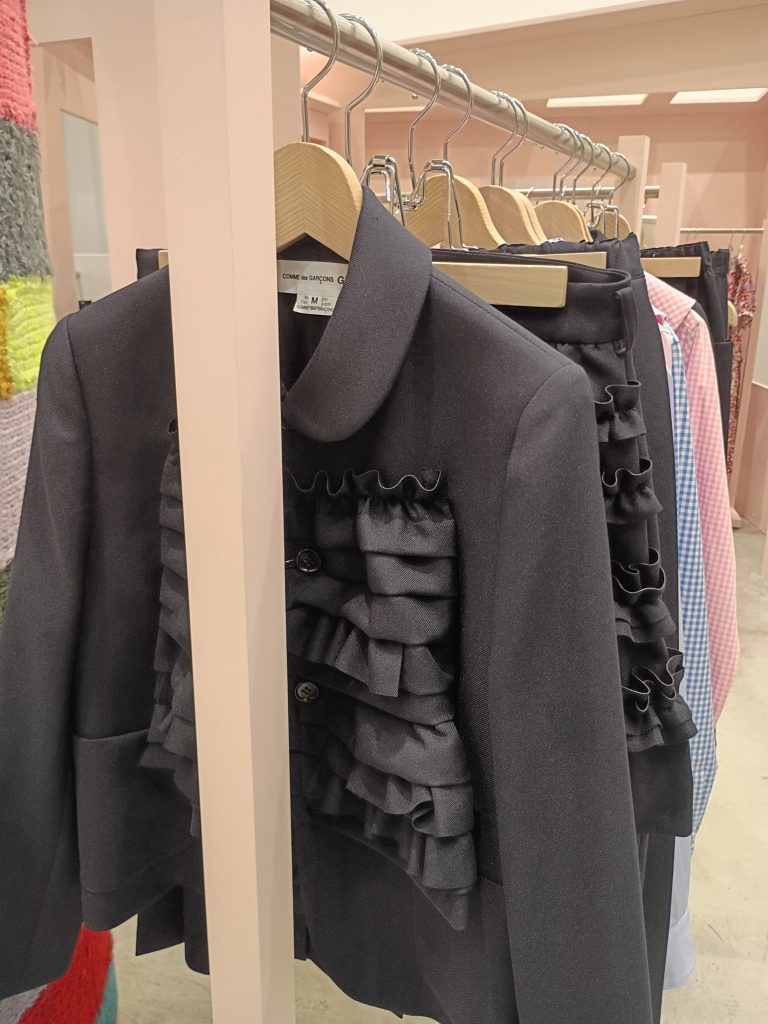
Many emerging designers mistakenly believe retailers reject brands because of the product itself. They assume getting stocked in stores depends entirely on having a strong collection.
In reality, that’s rarely the case.
Buyers do not just evaluate design — they assess clarity, positioning, and risk. However, retailers often pass on brands not because the product lacks quality, but because the business lacks the level of retail readiness buyers need.
1. The Brand Isn’t Immediately Clear
Buyers move quickly.
Not being able to immediately understand who the brand is for, where it sits in the market, and what makes it distinct, will cause them to pass.
Clarity is not a luxury — it’s a requirement.
2. The Collection Lacks Cohesion
A strong collection should feel intentional.
Pieces targeting different customers, price points, and identities cause buyers to struggle to understand the brand’s retail position, which makes getting stocked in stores far more difficult.
Buyers aren’t just buying pieces. They’re buying into a story that needs to make sense on the floor.
3. Pricing Doesn’t Align With Value
One of the fastest ways to lose a buyer’s interest is misaligned pricing.
In addition, if the materials, construction, and brand positioning do not support the price point, buyers raise immediate concerns about sell-through.
Retail buyers make decisions based on trust in a product’s performance.
4. There’s No Clear Wholesale Structure
Buyers will often pass on strong brands when key fundamentals are missing.
An unclear or incomplete line sheet, undefined delivery windows, or inconsistent pricing signals a lack of readiness.
Buyers need to know not just what they’re buying — but how the business operates.
5. Production Isn’t Proven
Buyers are not in a position to take on risk.
If there’s uncertainty around production timelines, quality control, or the ability to scale, hesitation follows.
Reliability is just as important as creativity.
6. The Brand Doesn’t Consider the Retail Context
A common disconnect is designing in isolation from the sales floor.
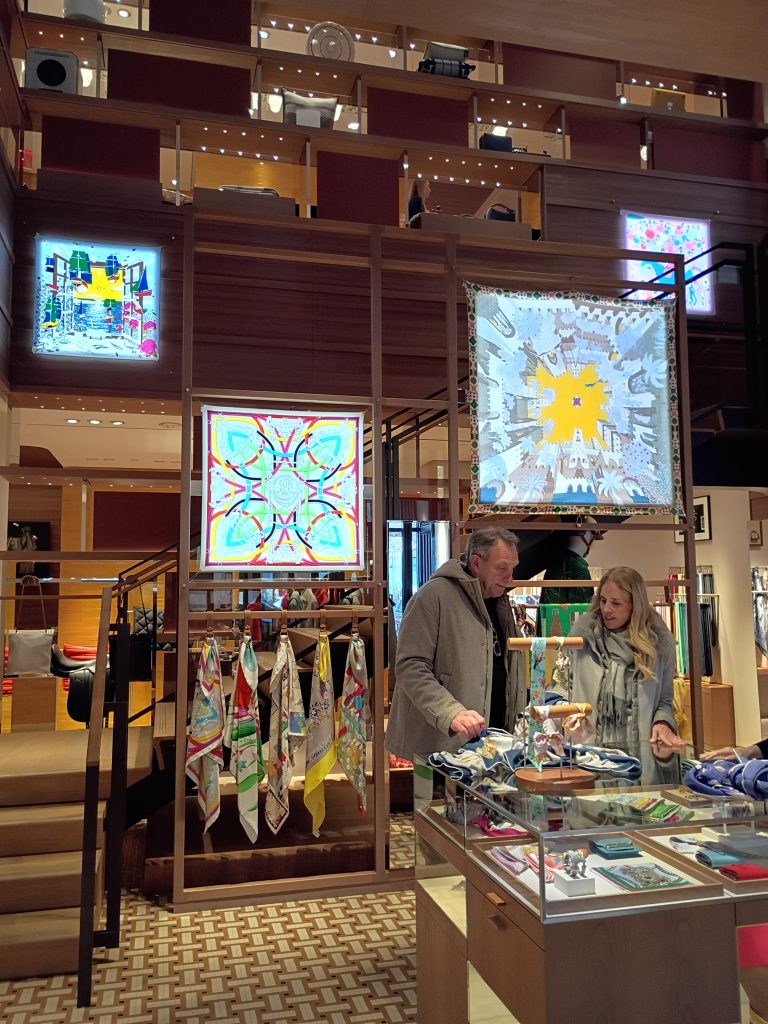
Buyers are curating for a specific customer, within a specific price range, alongside other brands. if your collection doesn’t clearly fit into that environment, it becomes difficult to place.
Conclusion
It is usually not a lack of talent that prevents retailers from stocking products.
It’s about a lack of translation.
The brands that move forward are the ones that understand how to bridge the gap between creative vision and retail reality — and present themselves in a way that buyers can immediately understand, trust, and sell.
Design Collective NY (DCNY) supports emerging and independent designers in building wholesale-ready brands through strategic positioning, buyer education, and industry access. By bridging the gap between creativity and commerce, DCNY helps designers navigate the realities of the retail landscape and connect with the right opportunities.
By Belinda Antwi for https://designcollectiveny.com